
1. INTRODUCTION
If you have no knowledge of diamonds, it is important to understand diamond inclusions, appearance, and value. This article aims to serve as an ultimate guide to enlighten you about the same, so read to know more.
Understanding how inclusions influence a diamond’s overall look can make the buying process much easier, especially when comparing diamonds with different clarity grades. By learning the Diamond Inclusions Affect Appearance Tips, you can better recognize which imperfections are noticeable, how they may influence brilliance and transparency, and when an inclusion could raise concerns about durability. This knowledge can also help you focus on what is actually visible to the eye rather than paying more for a higher clarity grade that may offer little noticeable difference.
2. WHAT ARE DIAMOND INCLUSIONS?
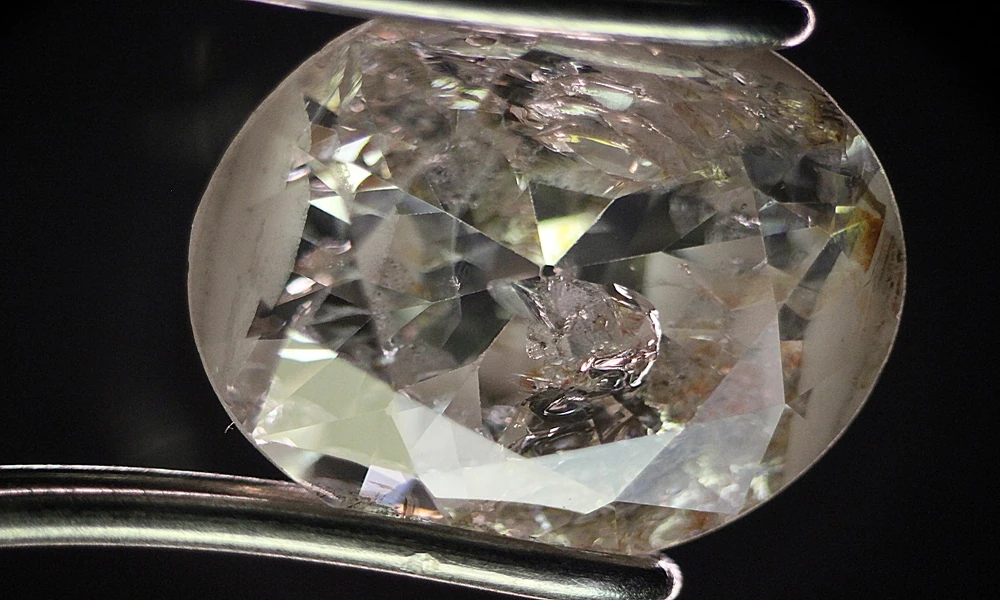
When diamonds are formed inside the earth’s crust, tiny imperfections arise. This is called Diamond Inclusions. These inclusions appear as tiny crystals, bubbles, hazy spots, chips, or minerals that are trapped inside.
3. DIAMOND INCLUSION GRADING
Diamonds are graded by GIA based on the type, location, size, and overall effect of an inclusion at 10x magnification.
4. WHY DO DIAMOND INCLUSIONS MATTER?
Let’s talk about the inclusions in traditional white diamonds first. Since all diamonds have inclusions, you need to look for an eye-clean diamond. It means the one where no inclusions are visible to the naked eye. Clarity is mentioned under 10x magnification, where blemishes can be easily seen. Don’t forget that the price of a diamond can increase between two to three clarity grades, but it is impossible to differentiate between them. So it is usually advised to not pay extra for something you can’t see. This is when you need to work with an expert jeweler where you might find a beautiful, sparkling eye-clean diamond under your budget. You will also know where to cut the expenses and where to spend more. Inclusions can affect durability as well. For example, a surface-reaching inclusion is beyond aesthetics, as it can make the diamond more prone to breaking or chipping.
5. DIAMOND INCLUSIONS TO AVOID
To ensure your diamond is structurally sound and sparkly, it is safe to avoid the below inclusions:
- Chip: A small hole in the diamond is called a chip. The main reason to avoid this is that it can affect the sparkle, spread quickly, crack, and cause another impact.
- Laser Drilled Holes: To elevate the appearance of an inclusion, human-made tunnels are drilled into a diamond. To camouflage the inclusion, they are treated with a filler material or acid bath. This is a misleading practice, and it usually is not reflected in the price. Everyone stays away from a diamond that is artificially tampered with by humans.
- Not Shown Clarity Comment: Avoid the GIA report if it has a statement like “Clarity grade based on cloud/graining not shown.” This is because these small inclusions tamper with a diamond’s sparkle, transparency, and brilliance.
- Surface Reaching Inclusions: Inclusions such as cavities, knots, and feathers reach the surface of the diamond and cause further damage. So it is best to avoid them.
6. CONCLUSION
You can avoid the challenges that you might encounter when buying a diamond when you understand it in detail. Seek any help if you want from an expert as well.